
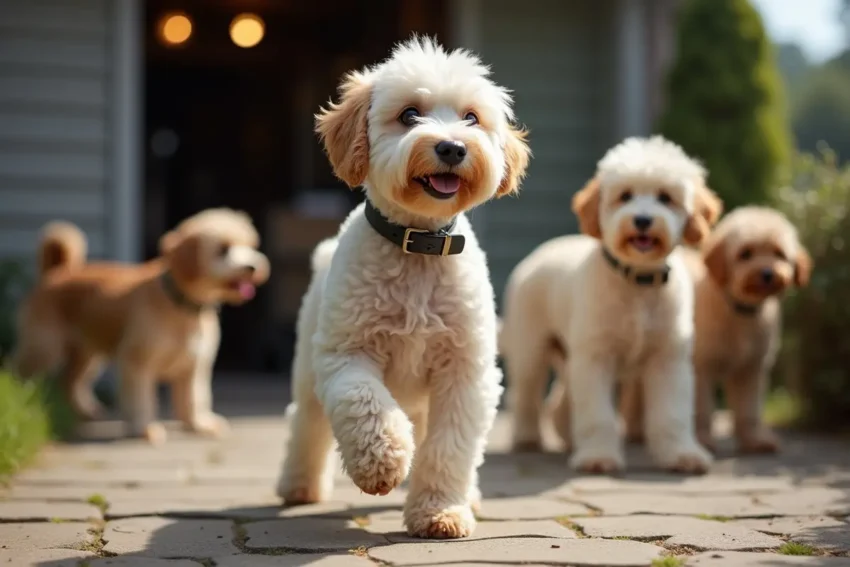
If you’ve picked your dog up from the groomers, you may have noticed the difference. Some dogs bound out looking spectacular with wagging tails—clearly unbothered by the entire experience. Others look great, but there’s something off about them—shaky, clingy, just not themselves for hours. Same service, completely different experiences. Why?
It’s not that a “naughty” dog or a well-behaved dog made all the difference. Instead, it’s the actual process of grooming—the process, the transformation and whether or not the groomer knows how to calm an anxious or overly sensitive dog. When done correctly, the dog leaves looking good AND feeling good (the same haircut can be done in less stressful situations). When done incorrectly, the same haircut can be the result—and anxiety increases each time it’s done.
Contents
- 1 It’s All About How the Groomers Handle the Dogs
- 2 The Environment and Equipment Matter
- 3 The Groomer’s Experience Level
- 4 Positive Associations Go A Long Way
- 5 What Happens with Severely Matted Dogs
- 6 When They Had Bad Experiences
- 7 When Dogs Have One Bad Experience
- 8 The Difference Shouldn’t Be Temperament
It’s All About How the Groomers Handle the Dogs
The physical handling during grooming is way more vital than people think. Dogs can sense tensions, fast movements, and people rushing and getting frustrated. A calm yet confident demeanor goes a long way in keeping a pup calm; a stressed-out human who is rough with their hands projects that onto the unsuspecting pooch.
Professional groomers read body language constantly throughout a session. If they sense a dog tensing up, they may take a break or adjust what they’re doing, where they’re standing or give the poor pup some time to get its bearings. Facilities like belmont dog grooming that pride themselves on less anxiety and more care receive much better results from anxious or sensitive dogs. More inexperienced groomers or those in a rush will power through with less care when they see a dog struggling.
Restraint also matters—dogs need to be somewhat held in place (for safety), but there is a difference between gentle restraint and using so much force that the dog feels as though they’re going to be trapped forever. There’s nothing worse than having a sucker punch to your gut; good groomers hold dogs gently but in a way that keeps them somewhat secure. They sit them down comfortably instead of pinning them into position.
The Environment and Equipment Matter
The space in which they groom matters significantly. A quiet experience where one dog is up at a time versus an entire room full of barking dogs, blow dryers and constant action makes an enormous difference. Some dogs can handle these busy settings; others get so overwhelmed.
The equipment plays a role too—even if groomers try to make things at least somewhat quieter—loud dryers, buzzing clippers—all contribute to anxiety for some dogs but not others.
Slippery floors are intimidating for dogs. A grooming table padded with matting ensures that dogs have something to stick to so they don’t feel like they’re going to slide off trying to maintain their balance from an awkward position. These little considerations reduce stress tremendously because it allows dogs to focus less on having to stand still without stability and more on what needs to get done.
The Groomer’s Experience Level
Skill level makes a difference beyond just great haircuts. A seasoned and quick groomer makes it so that dogs aren’t on the table so long with them. They also manage how to handle sensitive areas without hurting or nicking skin (around the eyes, ears, sanitary areas).
Different brushing approaches matter too—a level-headed approach can get through knots properly without yanking them out. Inexperienced pet groomers might be the ones who rip tangles apart or use tools that weren’t designated for grooming. As a result, this makes many dogs hate getting brushed because it hurts instead of merely tangles.
Same goes for nail trimming—different techniques (cutting too close) cause pain and bleeding, which only makes dogs resent getting their nails trimmed (and refuses any sort of trimming long-term). When it’s done conservatively without fear, it becomes another step in the process versus something dogs dread.
Asking questions about nail trimming methods can help explain differences too. Beginners go too far; trusted groomers know that it’s better to do it slower over time.
Positive Associations Go A Long Way
The way sessions start off and finish makes a world of difference as to how dogs feel about what’s gotten done with them. If all dogs get ever is handed a treat for being friendly upfront—mixed with gentle love and feeling like they have some say over what’s going on (sniffing around before anything is done)—it calms anxious pups before anything starts.
If treats are handed to teach them to tolerate the blow dryer for a minute or after nails are clipped, after they stood still for five minutes while getting brushed, small rewards mean that regardless of why they are there in the first place, they come out thinking it was good.
Similarly, if one finishes on a good note—with their favorite treat (if they’re allowed) or ten seconds to unwind before getting rushed back into their owners’ arms without transition—this only serves as further stress reduction.
What Happens with Severely Matted Dogs
Where it gets tricky is where severe matting is concerned. The typical matted dog—and experienced groomer—knows that there’s much work to be done here—this means cutting very close to skin which feels weird and uncomfortable to the dog even if it’s being done slowly.
Sometimes severely matted dogs need to be shaved—which many dogs hate because of both the sound and vibration as well as the extended treatment; there’s no way to make a severely matted coat removal something that’s not stressful.
Therefore, regular grooming means avoiding intensely bad situations. Dogs who’ve been gone frequently do not have drastic matting situations whereby extensive combing takes forever. Dogs who come in once they are entirely matted have long stress-inducing appointments.
When They Had Bad Experiences
Dogs who’ve had bad experiences will think that every bad experience is what’s coming next; building trust takes time for these dogs—and unfortunately, rescue dogs or dogs from situations where they were once neglected are even more stressed since they’ve never been properly groomed before and have no idea what’s happening next.
Extra slow introductions and many more breaks are needed than those already used to regular grooming appointments since everything is new.
When Dogs Have One Bad Experience
Once one has had ONE bad experience—where they were nicked by claws, they’re never getting anywhere near their paws again (which means toe mats from neglect); if they were fluffed up and held down too hard, they’re going to fight any form of restraint regardless of what’s going on.
These negative associations take time from one episode—and good rescues who start with puppies find success because their first cut somewhere puppy-friendly employs gentle introductions.
Finally, owners who are apprehensive at drop-off or check-in convey this anxiety to their pet; those who stand calm and cool in uncertainty convey that it’s really no big deal.
The bottom line is that those who stress out about having their pets groomed (and ensure their pets know) make their pet insecure about what’s in store.
The Difference Shouldn’t Be Temperament
Ultimately, it shouldn’t be temperament that’s a concern (aside from severe anxiety where they should be on drugs prior—but that’s different), but instead skill level, temperament levels, approachability and cut make all the difference between those who deal with grooming successfully and those who don’t.